
Getting Better Sleep During Perimenopause
Understanding why sleep changes and the evidence-based strategies that can help
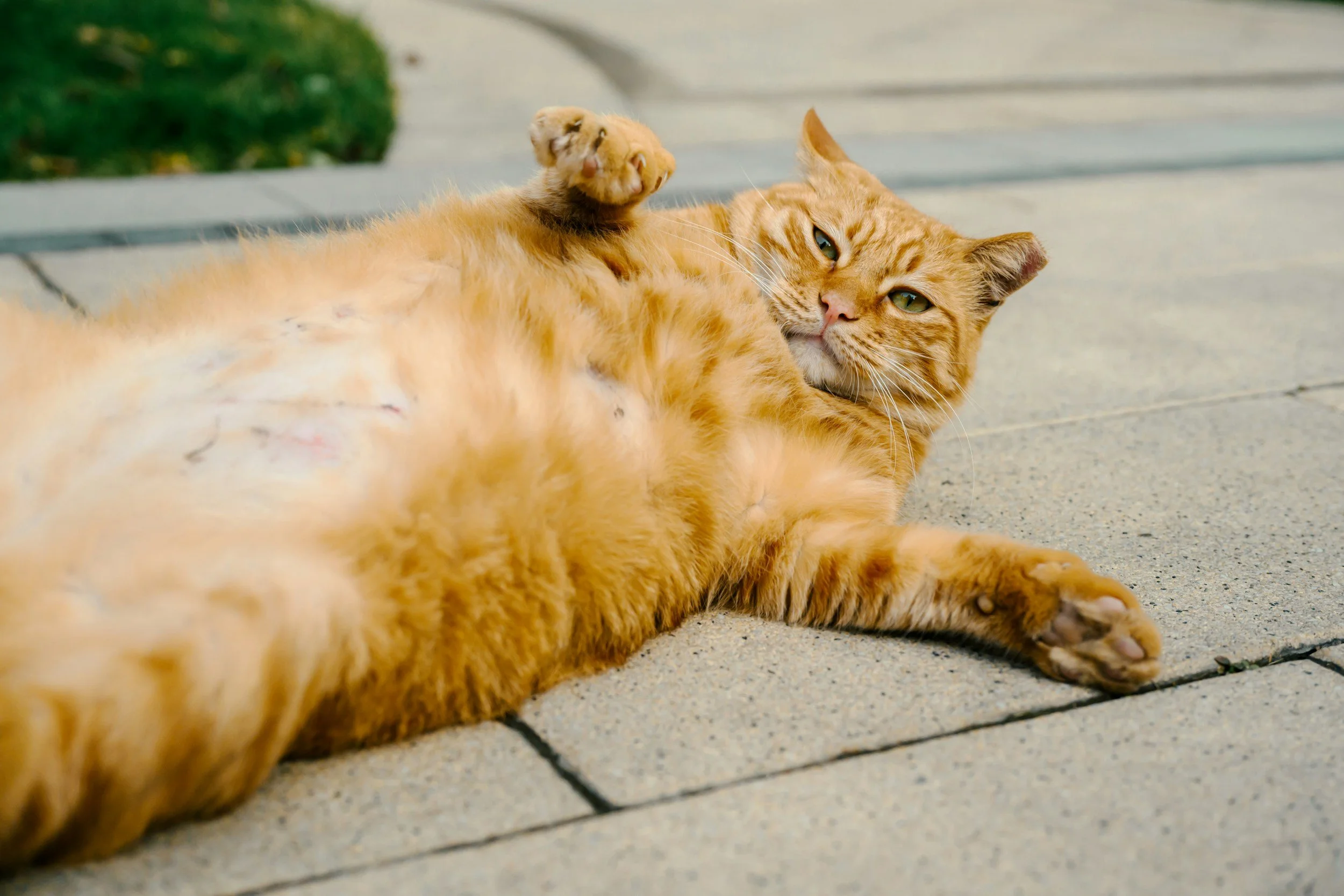
Why can’t I lose fat from my belly?
The truth is, there’s no magic food, supplement, or exercise that targets fat loss from one specific area of the body. Fat loss happens across the whole body, and your body decides the order.
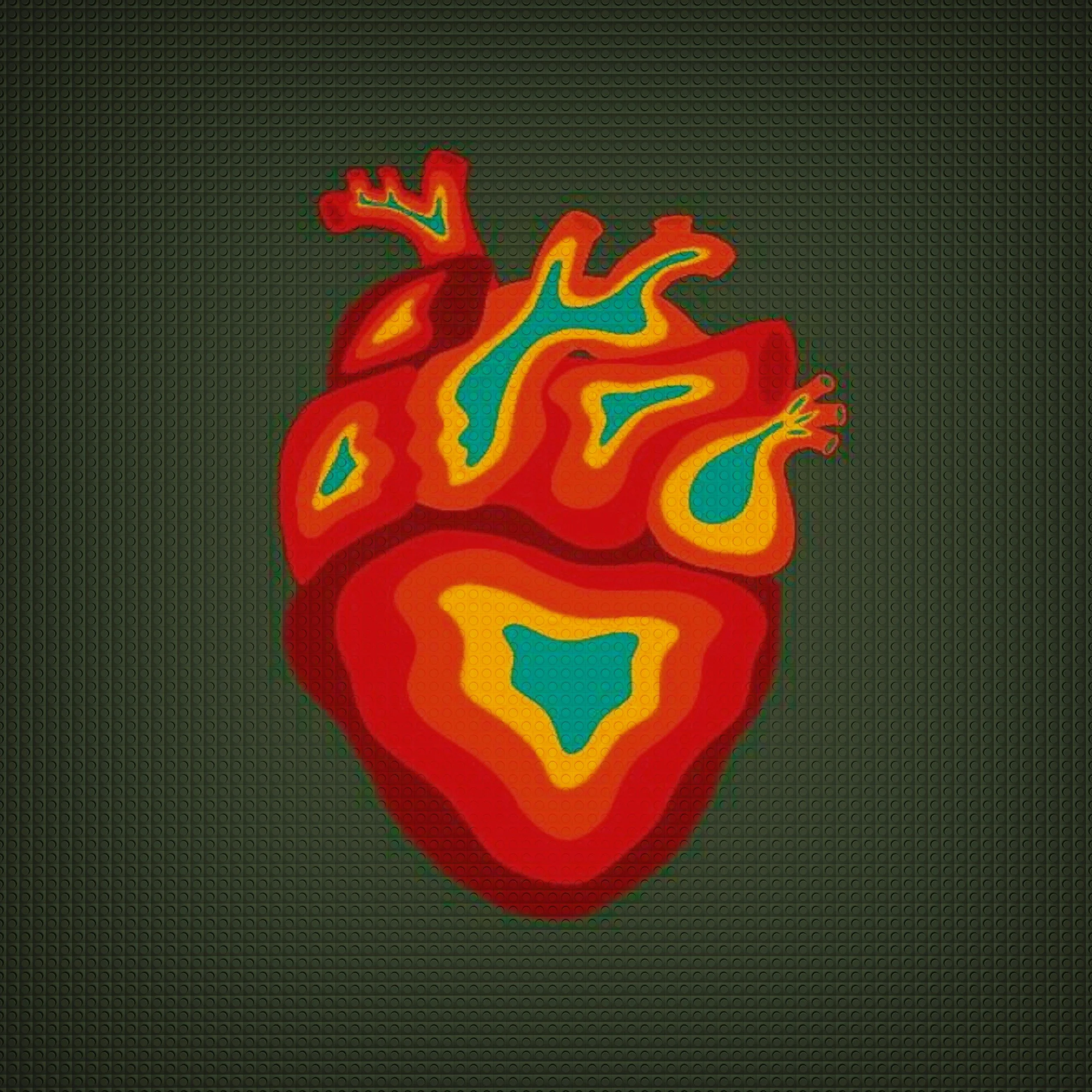
Heart Attacks in Women: The Signs We’re Taught to Ignore
Heart disease is the leading cause of death in women, yet many women do not recognise their own risk. Even when symptoms appear, they are frequently minimised, misattributed, or dismissed, by doctors.
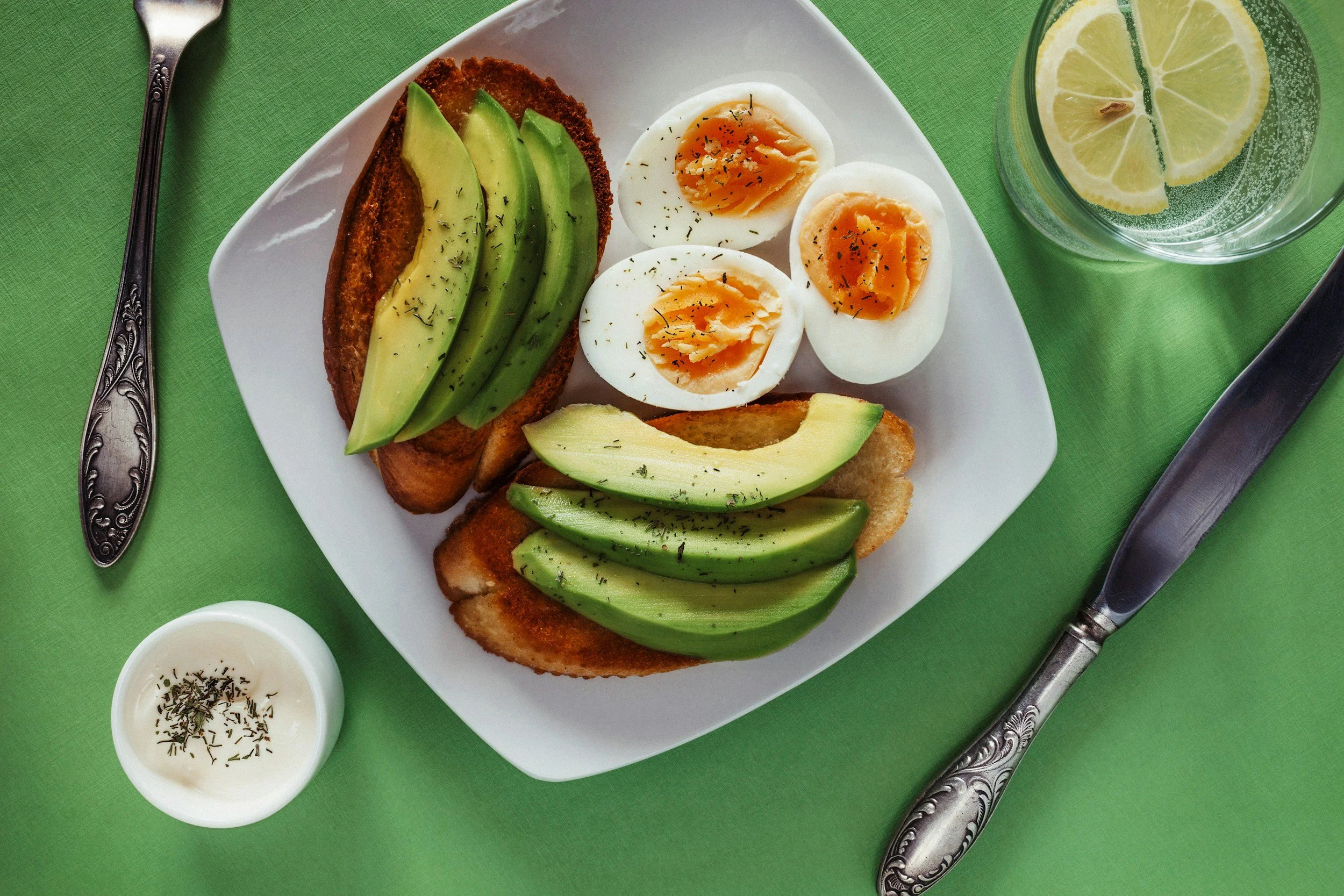
Think Fat’s the Enemy? Think Again! Why Your Body Needs Fat
Raise your hand if you’ve ever been told to “cut out fat completely” in the name of weight (fat) loss, heart health, or plain old guilt. Yeah… me too. And then I cried into a bowl of dry lettuce.
Here’s the thing: fat is not the villain. Fat is your brain’s favourite friend, your hormones’ BFF, and the secret fuel your body actually loves. Without it, life gets a lot harder, and your mood might crash faster than your phone battery.
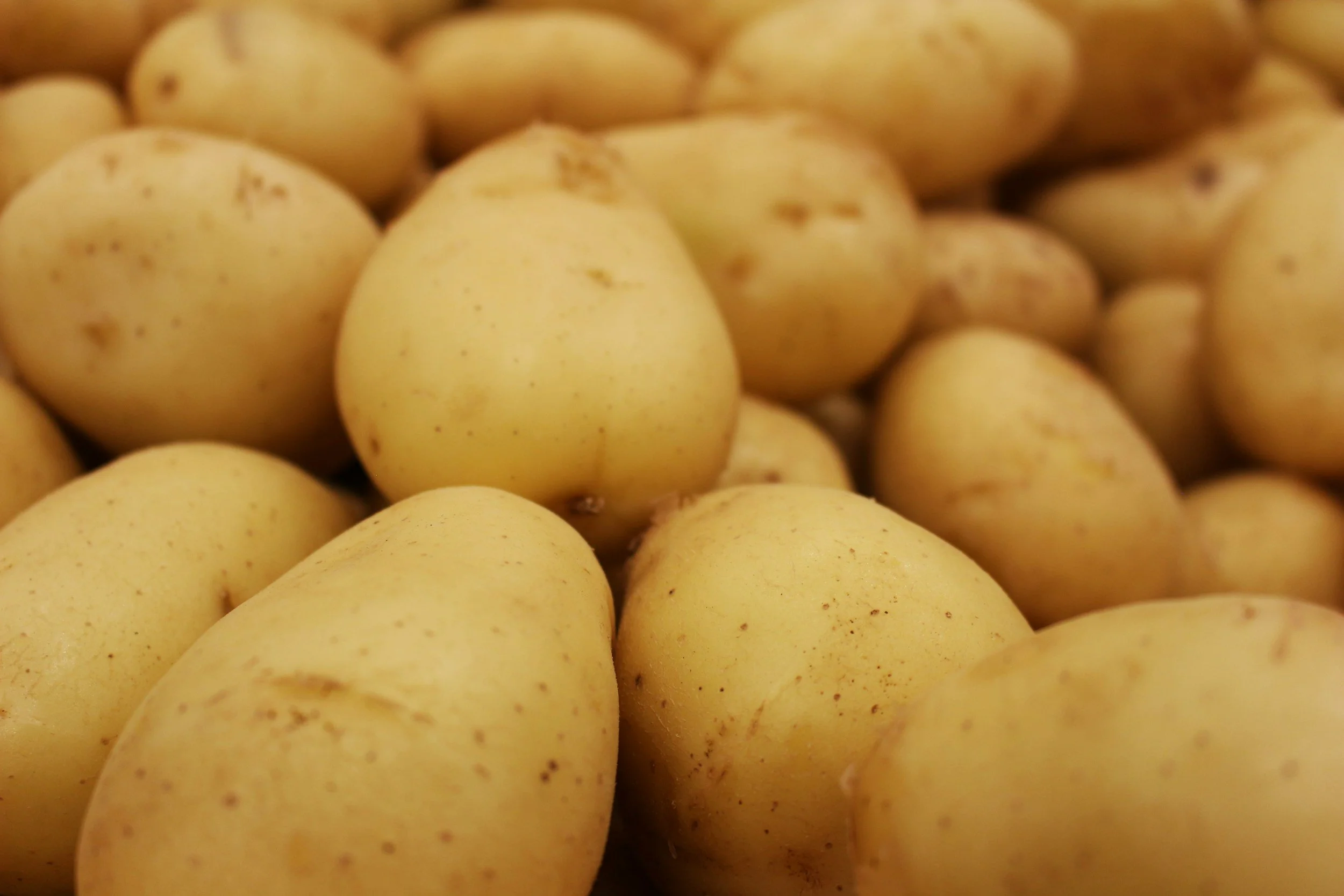
Don’t Fear the Potato. Carbs are Friends!
Someone started a nasty rumour that carbs are to be avoided at all costs! Especially if your goal is weight loss (fat loss). This is a LIE! Carbs are an important part of a healthy diet and help with brain function too!

Stop Beating Yourself Up: How Self-Criticism Makes Change Harder
Sometimes our inner voice sounds like a well-meaning coach, but other times it’s more like a tiny heckler living rent-free in our heads. You know the one, it whispers, “Really? You’re doing it that way?” or “Shouldn’t you have this figured out by now?” The problem is, your brain doesn’t respond to heckling very well. It tenses up, panics, and suddenly even small steps toward your goals feel like climbing Everest in flip-flops.

Why Accountability Works: The Science of Actually Getting Things Done
Have you ever set a goal, started strong, and then…somehow ended up reorganising your sock drawer instead? Don’t worry. You’re not lazy. You’re just human. And your brain has some quirks that make solo goal-following harder than it seems.
There’s a perfectly scientific reason why humans struggle to follow through. It turns out our brains are social organs. We evolved in groups, and our nervous systems are wired to respond to expectations from others. Goals are easier to stick with when someone else is involved, even if it’s just checking in occasionally. That simple expectation changes how our brains handle effort and motivation.

Restless Legs Syndrome in Menopause: Why It Happens and What Helps
Legs feel like they have a mind of their own? Tingling, crawling, or aching when you’re trying to relax in the evening, you might be dealing with restless leg syndrome (RLS). And if you’re going through perimenopause or menopause, you’re not alone: many women notice RLS symptoms starting or worsening during this time.
So why does this happen, and what can actually help? Let’s break it down, backed by science.
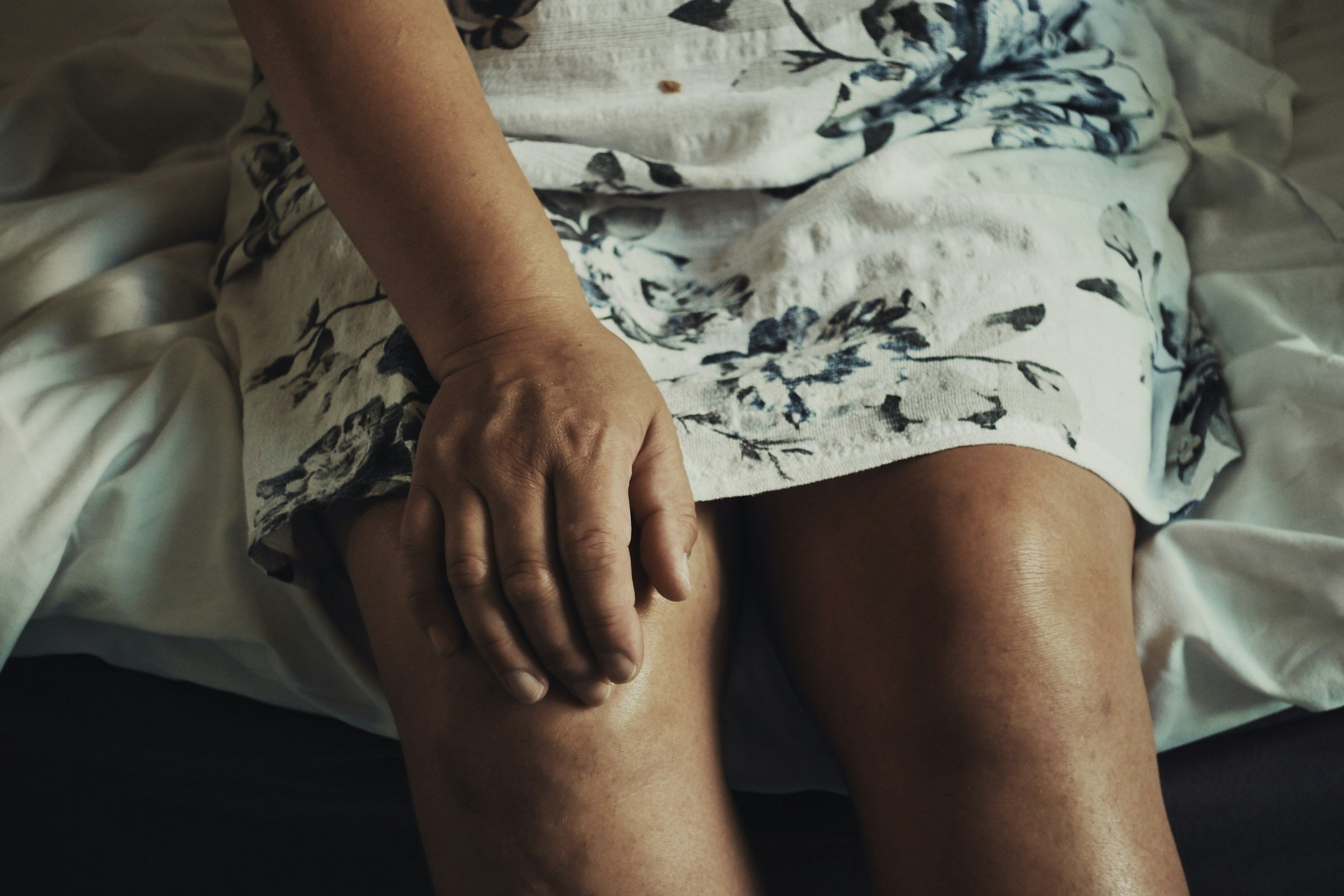
Menopause Joint Pain: Causes and Ways to Find Relief
If you’ve ever woken up feeling like your knees, hips, or shoulders spent the night running a marathon without telling you, welcome to menopause. You’re not imagining it. Joint pain is extremely common during perimenopause and menopause. Studies suggest that up to 70% of women notice new or worsening joint discomfort during this time. So what’s going on, and what can you do about it? Let’s break it down.
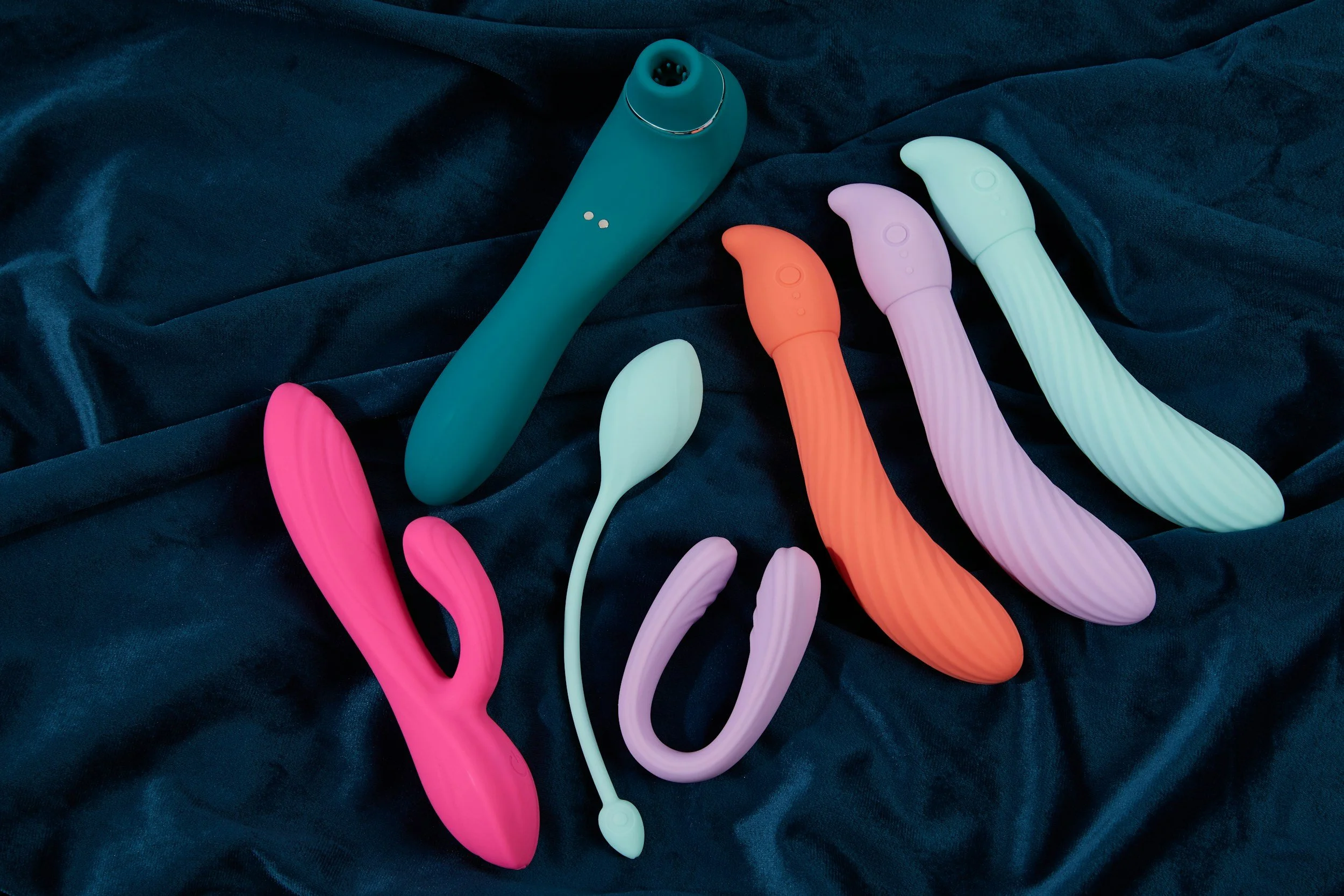
Sex Toys for Menopause: Because Your Pleasure Doesn’t Retire
Let’s get real: menopause changes a lot of things. Hot flashes, sleep struggles, vaginal dryness… and sometimes your libido feels like it’s gone on a long vacation without telling you. Enter: sex toys. Yep, these aren’t just fun gadgets they can be a serious ally in your midlife pleasure toolkit.
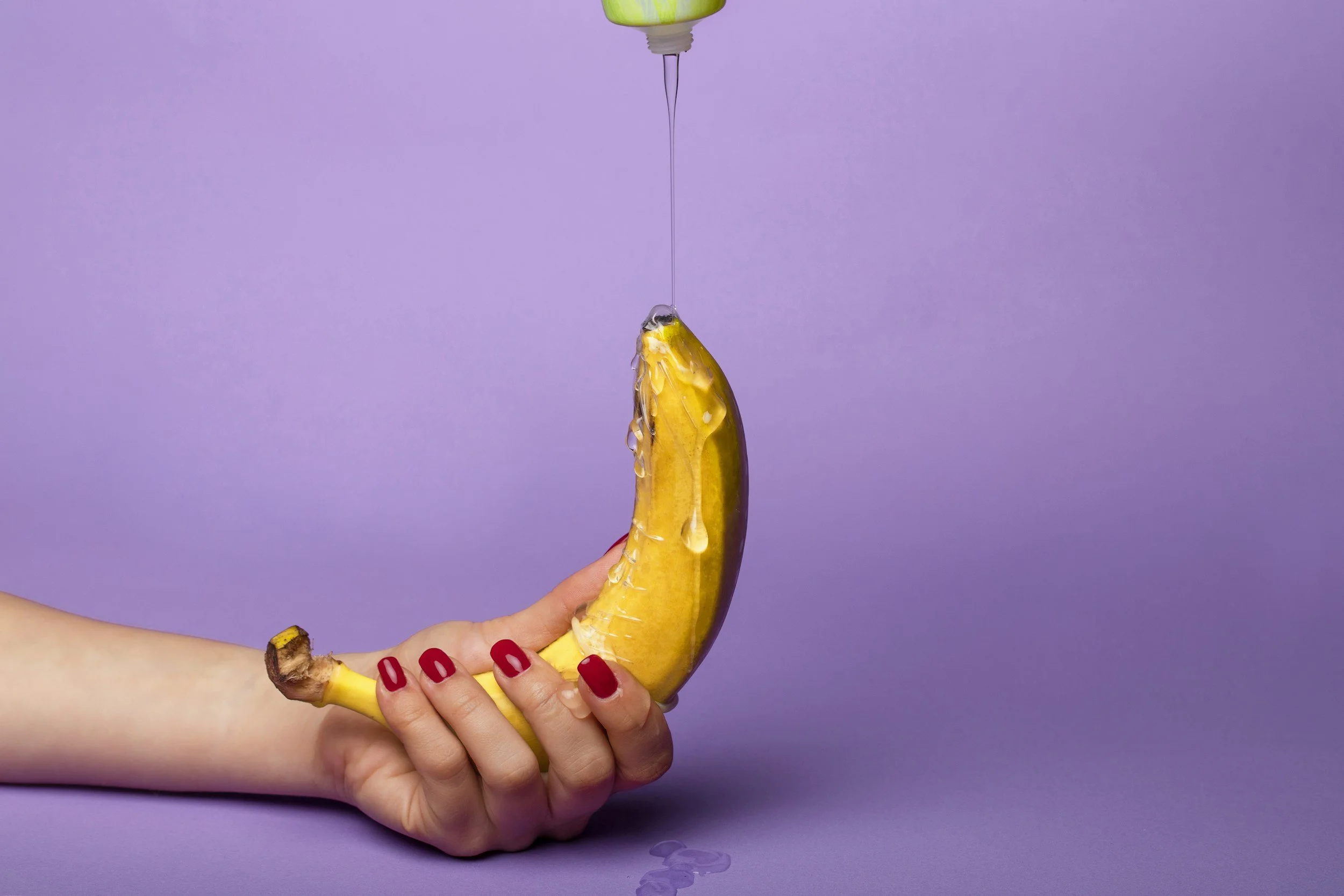
Lube: Friction Isn’t Always Fun
Some lubes behave beautifully. Some quietly sabotage condoms. And some should never meet silicone toys. This isn’t about preference. It’s about compatibility.